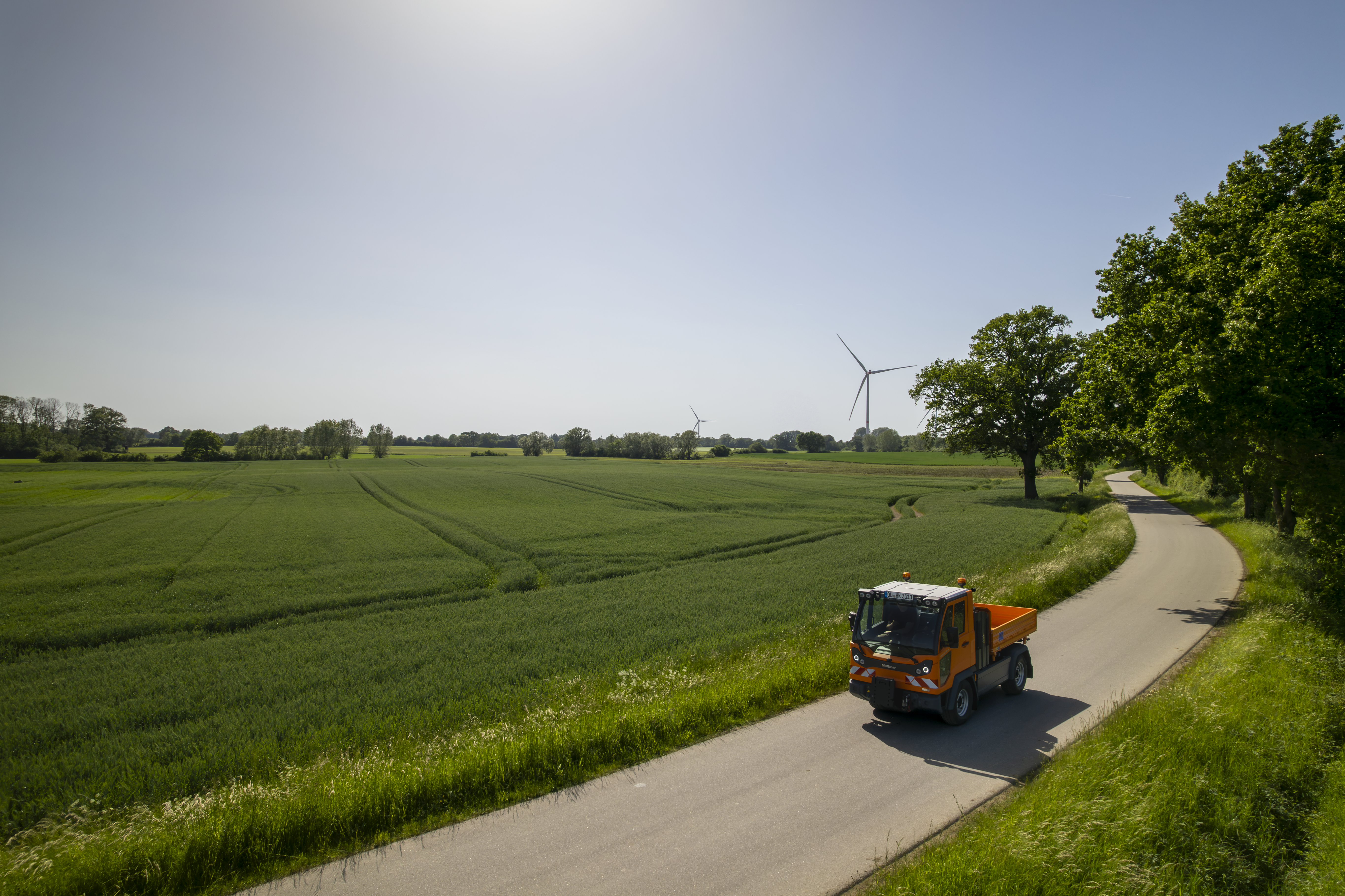
As a manufacturer of cleaning and municipal technology, sustainability at Hako touches on many aspects of day-to-day work – from the development of products and technologies, through the use of energy and resources, to working together within the company, characterised by respect and equal opportunities. Hako takes a holistic approach that gives equal consideration to environmental, economic and social aspects. As a company operating internationally, Hako takes responsibility for the impact of its own business activities.
As a manufacturer of cleaning and municipal technology, sustainability at Hako touches on many aspects of day-to-day work – from the development of products and technologies, through the use of energy and resources, to working together within the company.
As a manufacturer of cleaning and municipal technology, sustainability at Hako touches on many aspects of day-to-day work – from the development of products and technologies, through the use of energy and resources, to working together within the company, characterised by respect and equal opportunities. Hako takes a holistic approach that gives equal consideration to environmental, economic and social aspects. As a company operating internationally, Hako takes responsibility for the impact of its own business activities.
Sustainability Programme
Key Issues and Project Teams
As part of a materiality analysis, Hako identified the sustainability issues that are central to the company and prioritised them according to their significance for the environment, the economy, society and stakeholders. A targeted sustainability programme was developed on this basis.
Hako has set up interdisciplinary project teams to address areas where discrepancies have been identified between the current situation and the strategic positioning. These teams are made up of experts from the relevant departments and develop specific objectives and measures – as an integral part of the sustainability programme.
Project teams are currently active in the following areas:
• Circular economy
• Energy and water consumption
• Environmental management
• Product-specific information
• Communication and recognition
• Work-life balance and staff health
• Diversity and equal opportunities
Economic
Environment
Social
Economic Performance
Hako’s business activities are geared towards long-term economic success – in harmony with environmental and social responsibility. By generating profits, Hako safeguards its own long-term viability whilst also contributing to the economic development of the local community.
A significant proportion of the economic value generated is distributed amongst various stakeholders. This includes, in particular, expenditure on staff, payments to suppliers and taxes paid to the state. When selecting suppliers, Hako relies on reliable, predominantly regional business relationships: 65 per cent of Hako GmbH’s procurement budget is allocated to suppliers with a German billing address, with a further 31 per cent going to suppliers in other European countries.
In addition, a distribution is made to L. Possehl & Co. mbH, which passes on part of the dividend to the Possehl Foundation. In accordance with its articles of association, the Foundation supports, amongst other things, charitable organisations, education, culture and social projects, thereby contributing to the sustainable development of the local community.
Climate Strategy and Emissions
Since 2023, Hako has been tracking its Scope 1, 2 and 3 greenhouse gas emissions in accordance with the GHG Protocol. As part of the Science Based Targets initiative (SBTi), the Hako Group has committed to reducing its greenhouse gas emissions in line with the 1.5-degree target of the Paris Agreement.
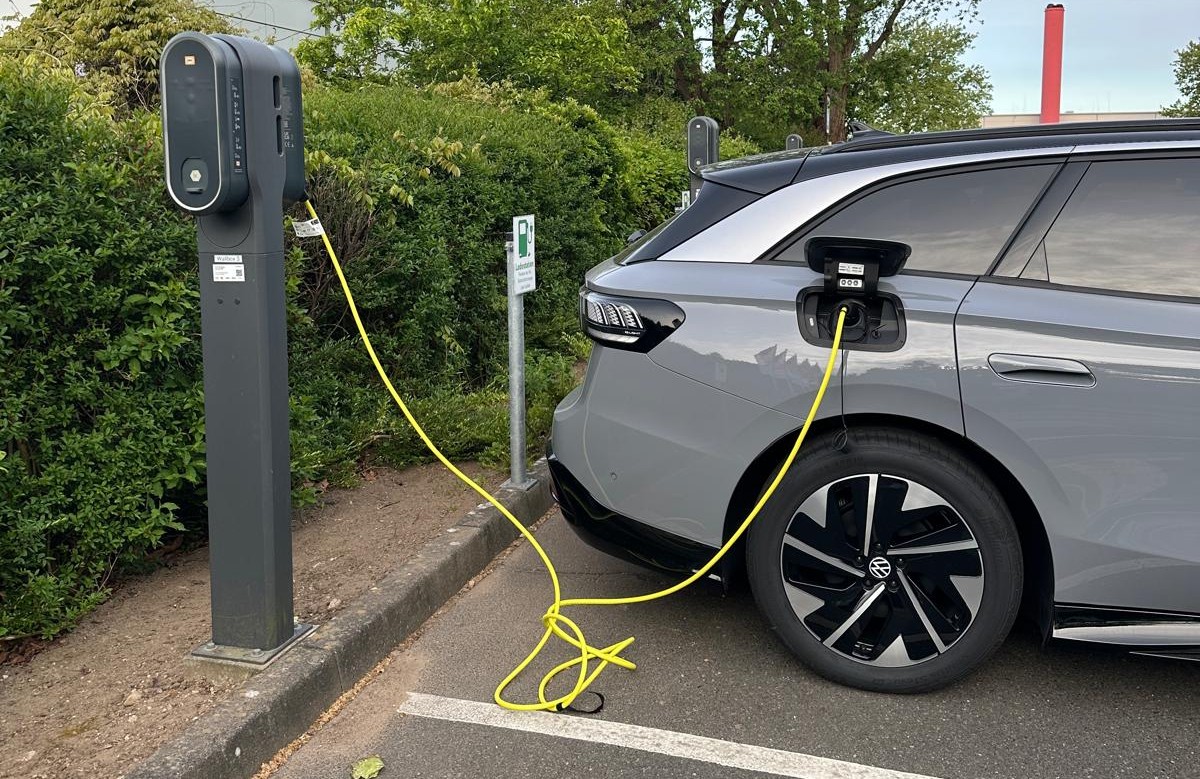
Various measures are being implemented to support these group-wide objectives: the gradual electrification of its vehicle fleet, the expansion of photovoltaic systems, the energy-efficiency refurbishment of sites, and the increased use of recycled materials. Together with the Possehl Group, Hako is also working on a climate risk analysis to assess potential impacts on sites, processes and business activities.
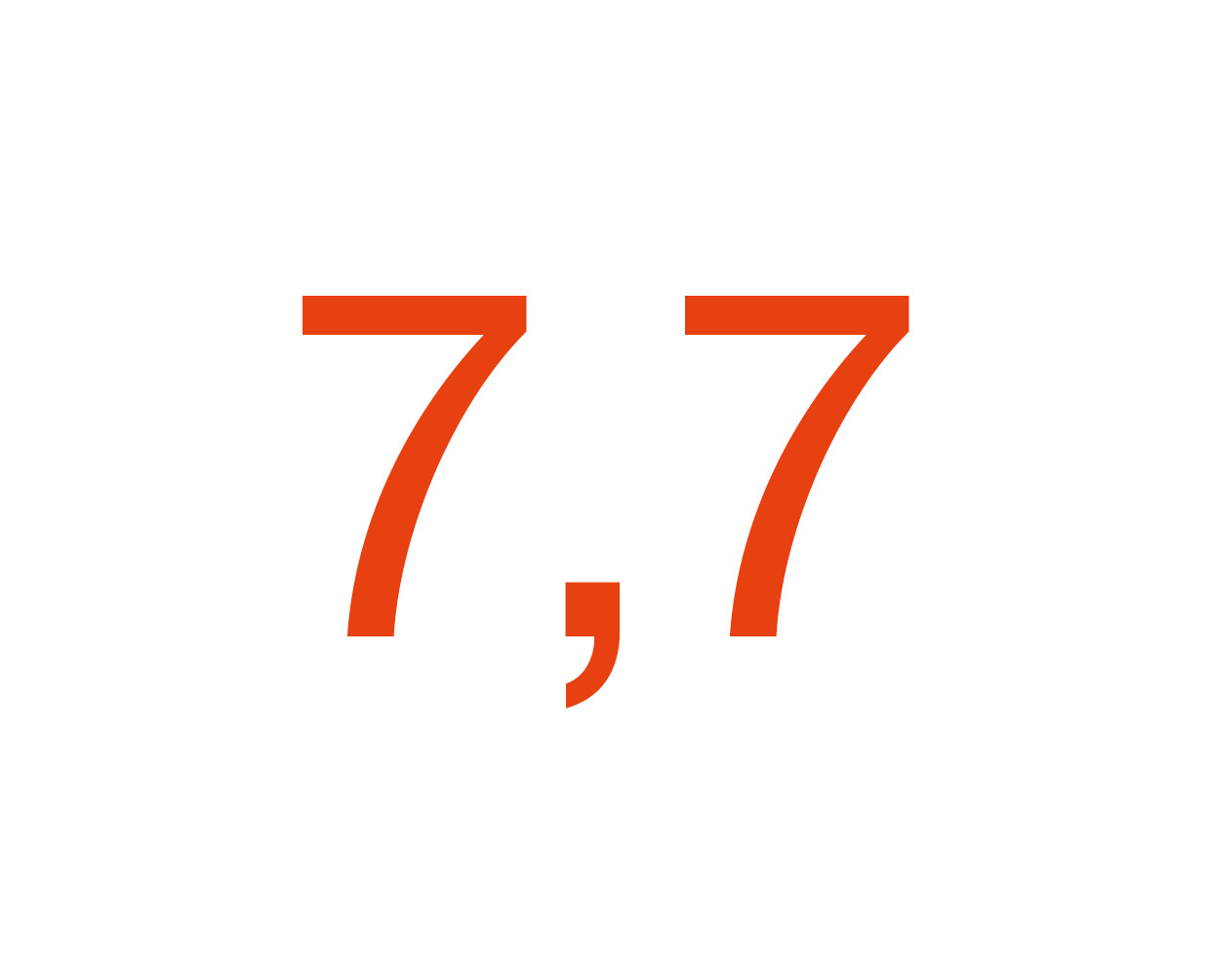
Whilst Scope 1 and Scope 2 emissions remained largely constant in 2023 and 2024, Hako achieved a 7.7 per cent reduction in 2025. The development is attributable in particular to lower fuel consumption resulting from the gradual conversion of the vehicle fleet to electric vehicles, as well as to energy-efficiency improvements at the headquarters in Bad Oldesloe.
Energy Management
Energy management at Hako covers both energy consumption at the company’s own sites and in its operational processes, as well as the energy requirements of machinery in use by customers.
In order to reduce energy consumption at the company’s sites, various measures to improve energy efficiency have been implemented in recent years. These include, amongst other things, switching to energy-efficient LED lighting, constructing energy-efficient buildings and using heat pumps.
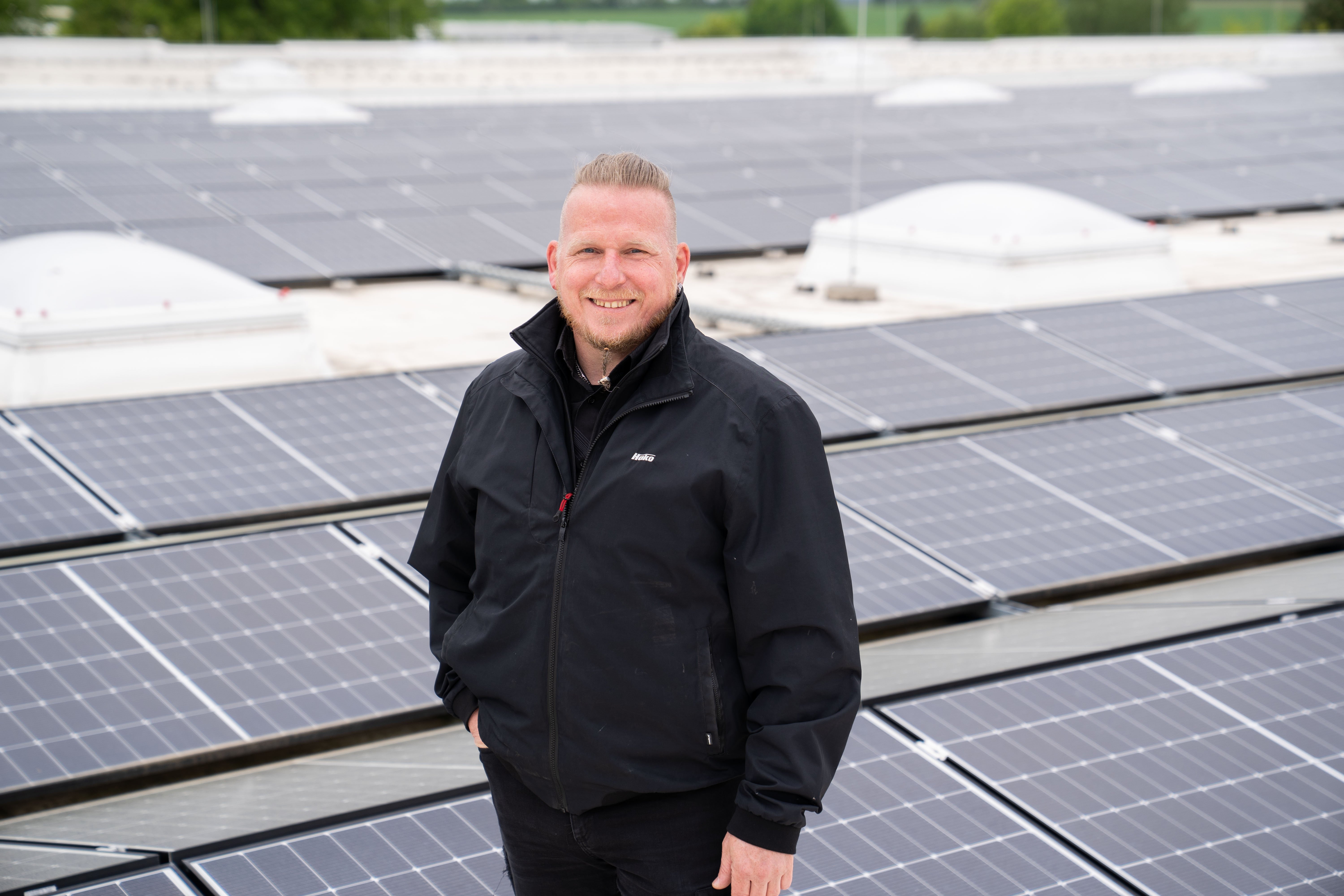
Another key focus is on expanding renewable energy. Photovoltaic systems have been installed at further sites. The system at the head office in Bad Oldesloe has been expanded from an initial 150 kWp to 600 kWp. In addition, the vehicle fleet is being gradually electrified.
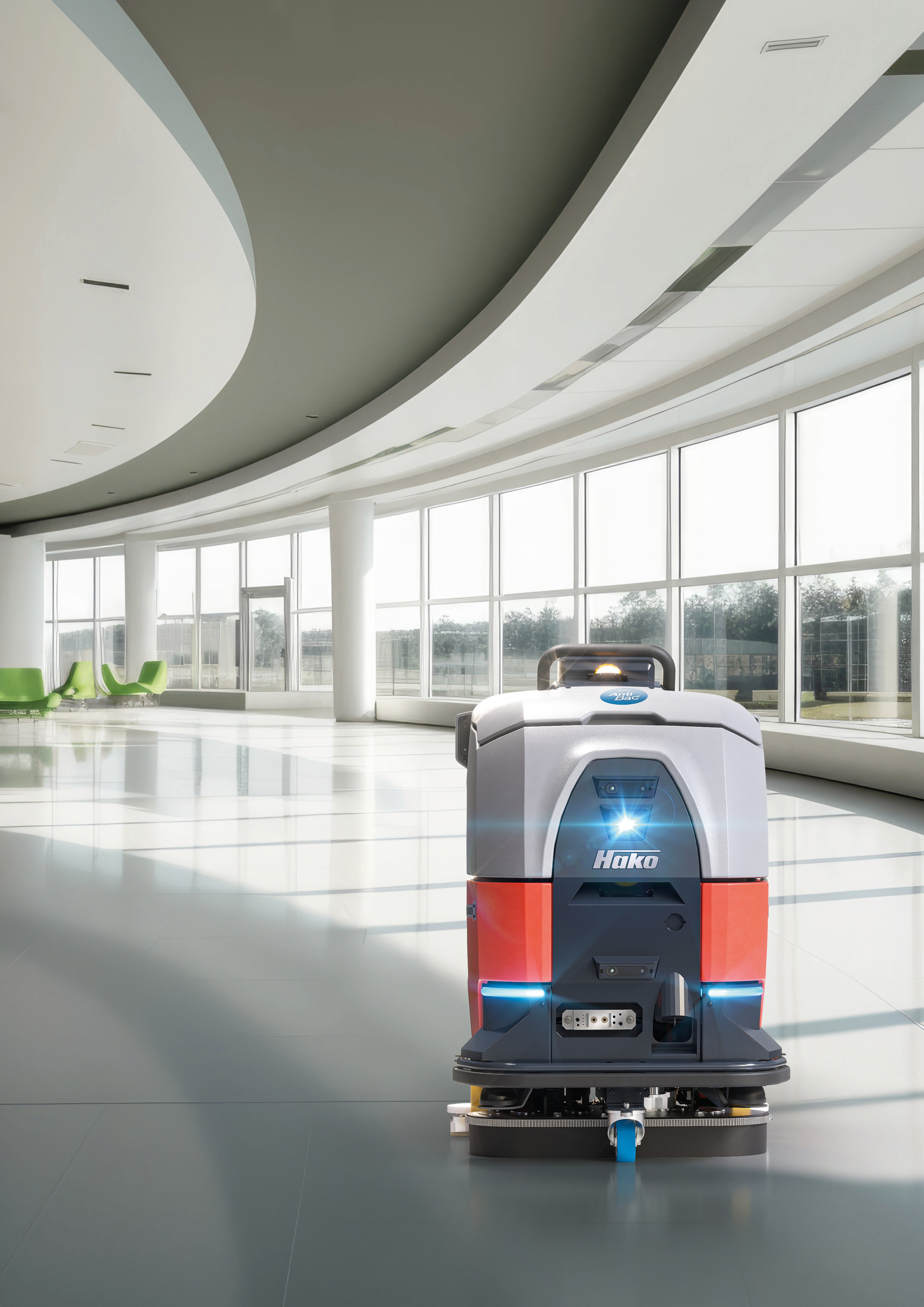
At product level, the focus is on developing energy-efficient drive technologies. The new generation of Scrubmaster B35 and B50 scrubber-dryers, developed as successors to the B30 and B45, enables energy savings of up to 34 per cent thanks to more efficient drive motors.
The launch of the first fully electric Multicar M31 ZE marks a further step towards the electrification of the product range. The market launch is scheduled for the first quarter of 2027.
Recycled Materials and the Circular Economy
Factors such as material selection, material efficiency, repairability, ease of disassembly, and recyclability play a role right from the start in the development and design of the machines. A dedicated guideline for sustainable design helps the development teams incorporate these criteria early in the development process.
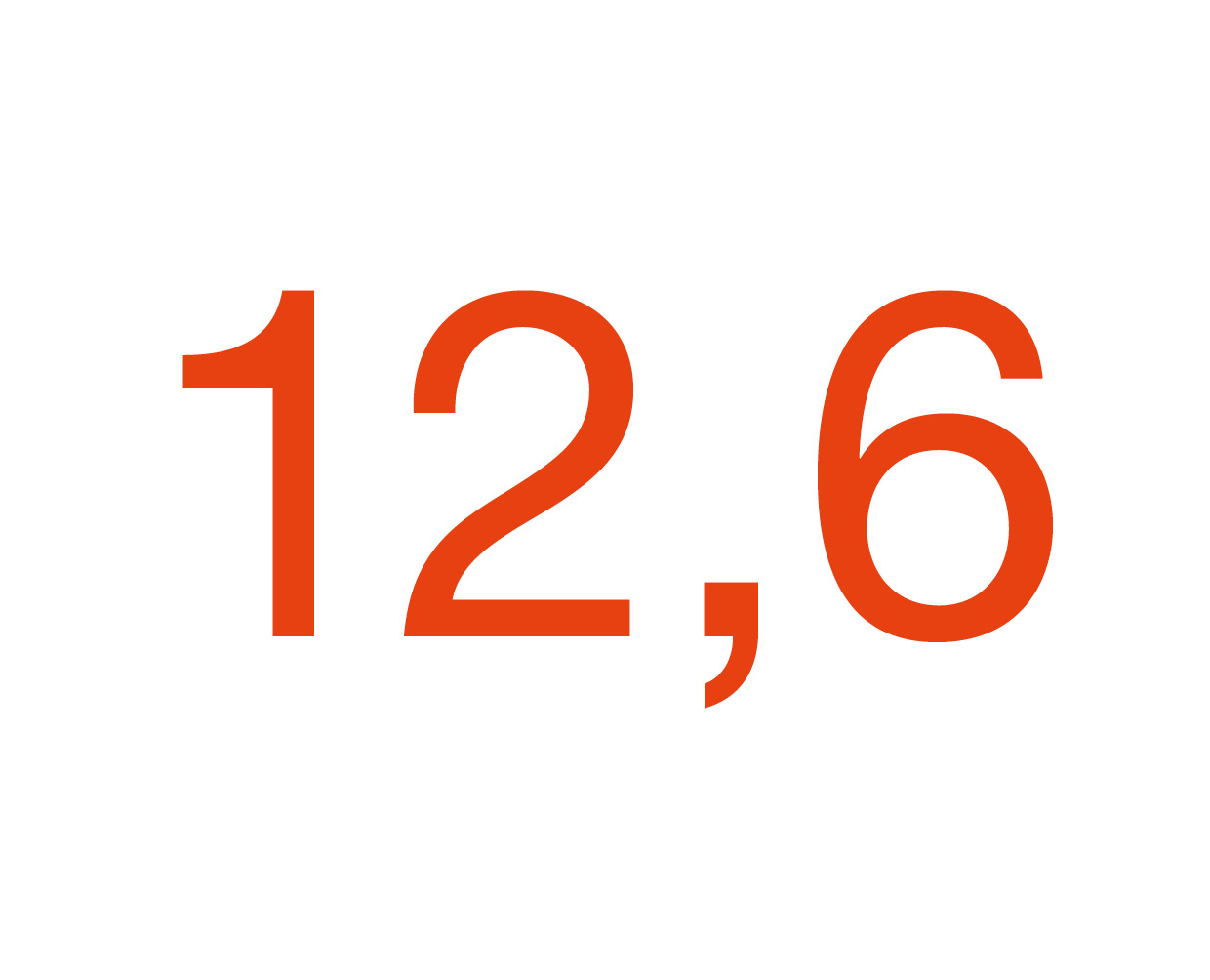
The use of recycled materials is also being gradually expanded. In the Scrubmaster B25, post-industrial recycled materials from internal production waste are already being used to manufacture the fresh water and waste water tanks. This resulted in savings of approximately 12.6 metric tons of virgin material in 2025. In addition, the company is already making use of post-consumer recycled materials from external material cycles. In future, the use of materials from existing material cycles is to be extended to other machine parts.
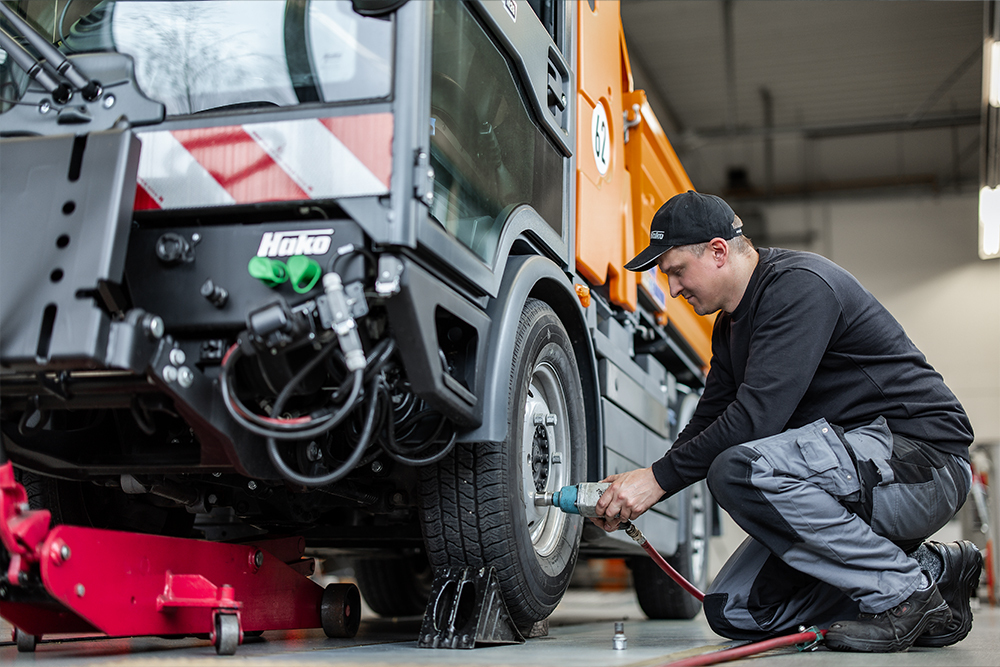
As well as product development, this approach also encompasses the reconditioning of used machinery. Reconditioning is mainly carried out centrally by Hako Service GmbH. There, used machines are repaired and prepared for further use.
Work-Life Balance
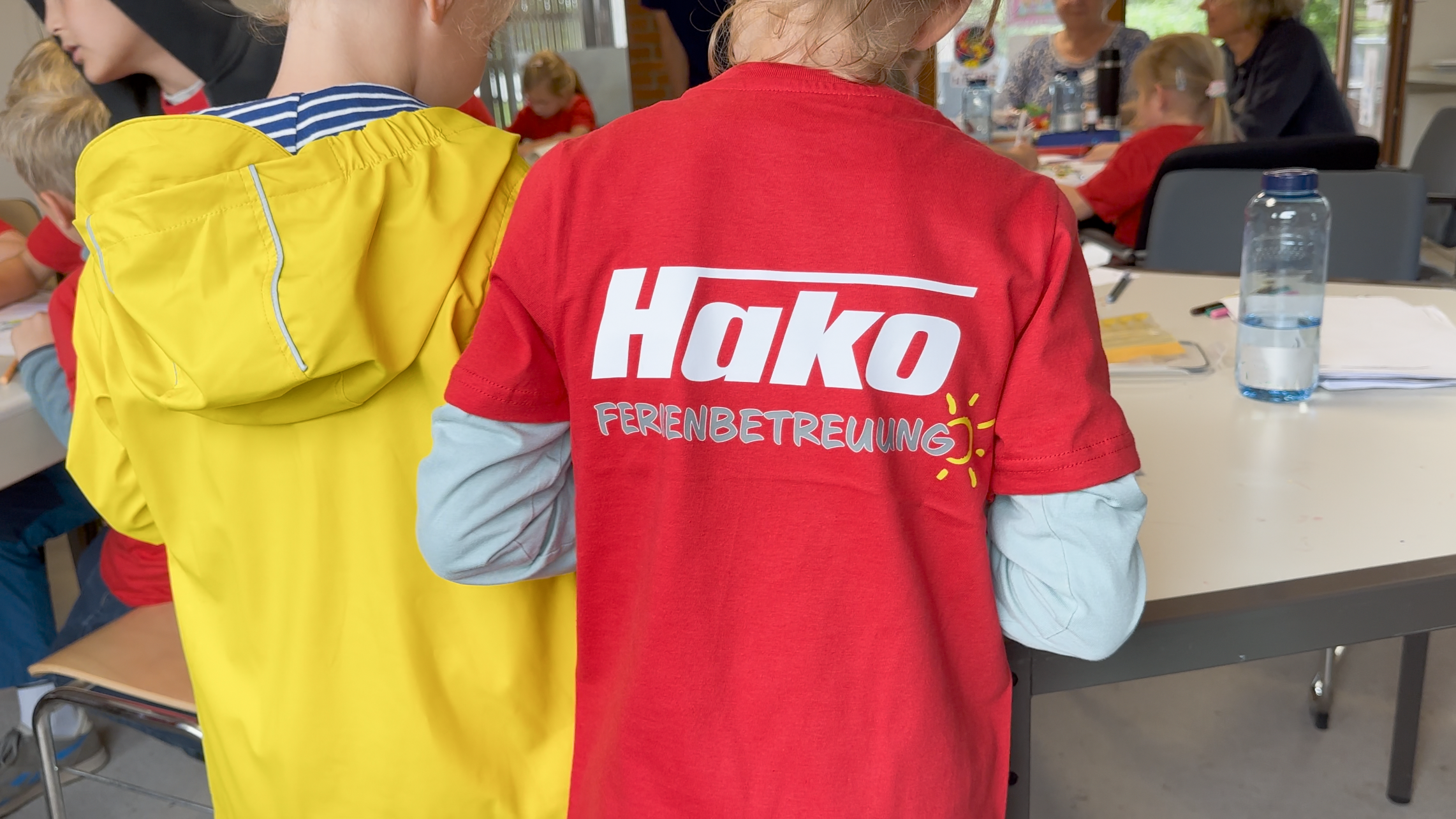
Hako supports work-life balance through various policies. For example, all employees—regardless of gender—are entitled to the full duration of statutory parental leave. In addition, administrative staff can work remotely for up to 40 per cent of their working hours. This allows for flexible working arrangements tailored to different personal and family needs.
Working Conditions, Safety, and Health
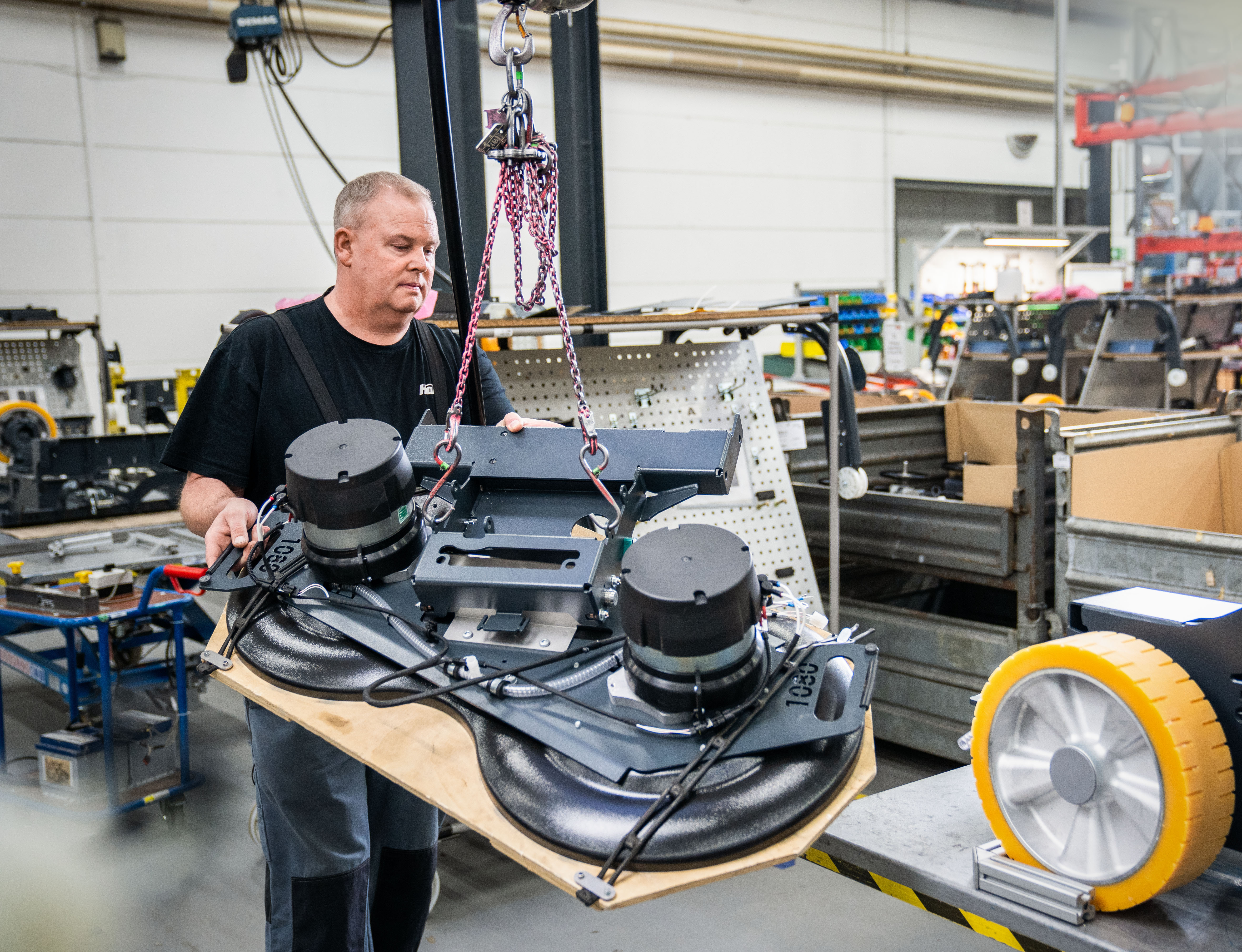
A safe and healthy working environment is a key part of our responsibility towards our staff. Health and safety at Hako is based on statutory requirements and is supplemented by internal regulations. These include, among other things, risk assessments, regular training, occupational health care, fire safety measures, and the provision of personal protective equipment. An occupational safety committee meets quarterly with representatives from relevant departments and employee representatives. The production sites in Bad Oldesloe and Glindow, as well as the sales office in Hamburg, are certified to ISO 45001.
Diversity and Equal Opportunity
At Hako, all employees are treated equally, regardless of gender, background or other diversity characteristics, and are to be given comparable opportunities for their professional development. This is based on the company’s own Code of Conduct, which applies to all employees.
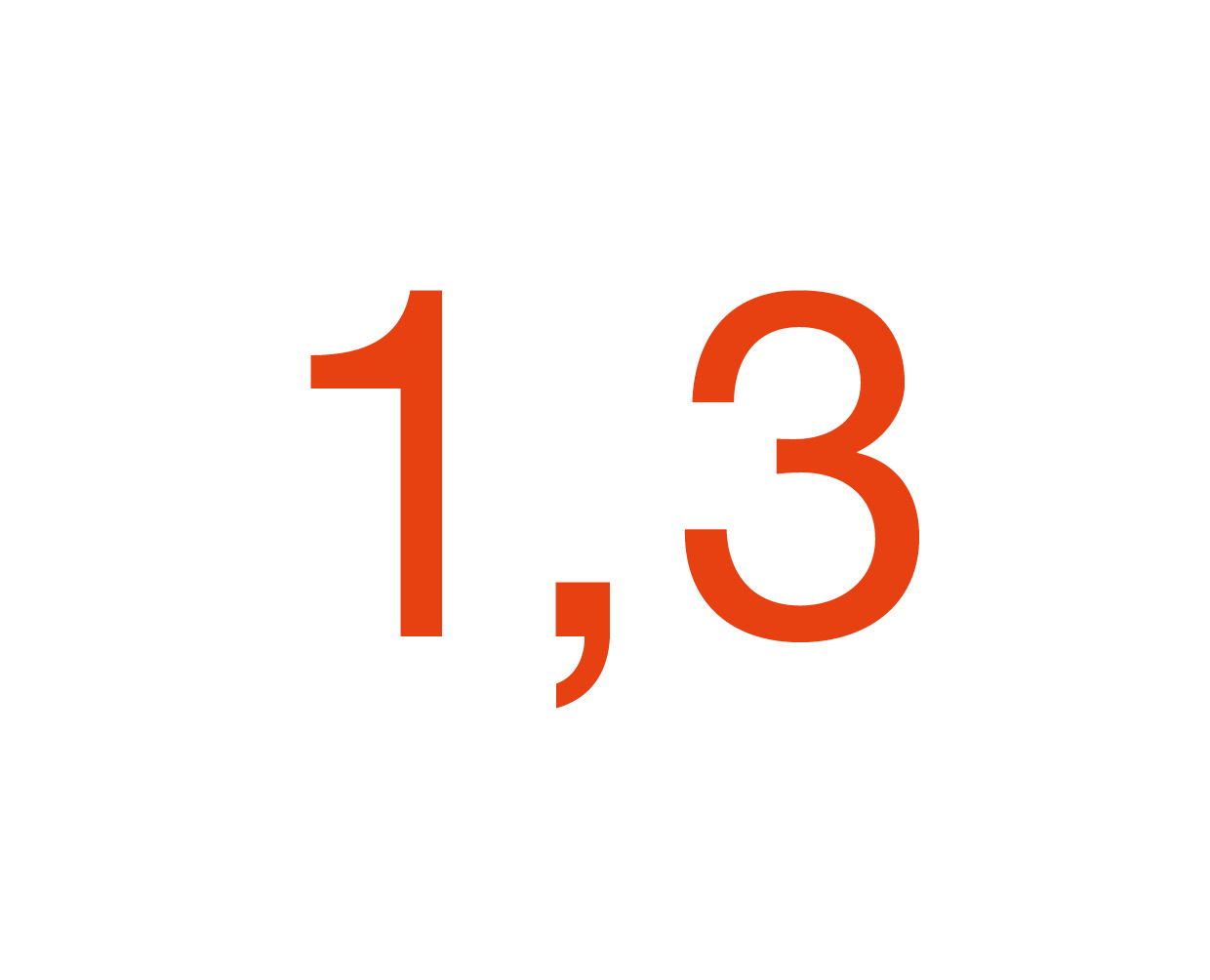
Pay grades are determined independently of gender. In 2025, the gender pay gap at Hako stood at 0.64 per cent.


EcoVadis
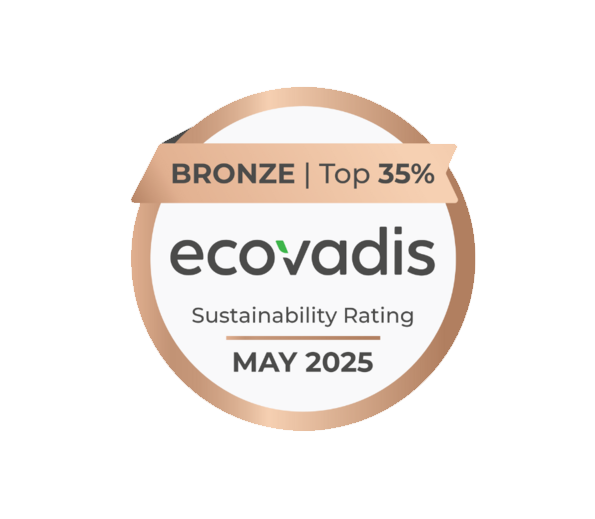
In 2025, the Hako Group’s sustainability performance was awarded a bronze rating by EcoVadis. With an overall score of 65 out of 100, Hako achieved 63 points in the Environment category, 70 points in the Labour & Human Rights category, 47 points in the Ethics category and 75 points in the Sustainable Procurement category.
Diversity Charter
At Hako, diversity means equal opportunities for all. By signing the Diversity Charter, Hako has committed itself to creating a respectful and non-discriminatory working environment in which everyone is welcome – regardless of their background, age, gender, religion, disability or sexual orientation.
Blue Angel
The Citymaster 1650 and 2250 have been awarded the Blue Angel label. Both machines meet the strict criteria of the German eco-label (DE-UZ 59a) for low-noise municipal vehicles.
AGR Quality Mark
Hako machines promote back-friendly working practices. The Multicar, Citymaster and Scrubmaster have been assessed by Aktion Gesunder Rücken e. V. (AGR) for their overall ergonomic design and awarded the ‘Tested & Recommended’ seal of approval.